
Why Summer Is the Best Time to Start a Fitness Class in London

There's a reason we love summer at The London Academy of Dance.
The studio feels different. The light comes in warmer. The classes are a little smaller. People arrive more relaxed. And something about the longer days and lighter energy makes it genuinely easier to show up — not because you feel like you should, but because it actually sounds nice.
If you've been thinking about starting a fitness class, or coming back to one after a break, summer might be the kindest time to do it. Here's why.

Smaller Classes, More Personal Attention
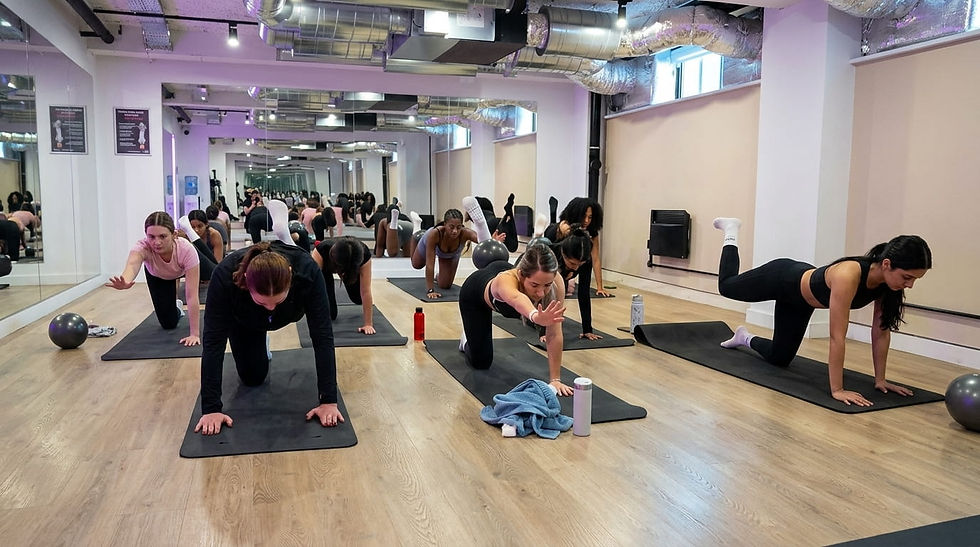
Between June and August, class sizes naturally settle into something quieter. Some of our regulars are on holiday, which means the sessions that might normally have twelve or fifteen people could have six or eight instead.
For anyone coming to a class for the first time — or for the first time in a while — this makes a real difference. There's more space. More room to find your rhythm without feeling watched. And your instructor has more time to check in with you, offer adjustments, and make sure you feel comfortable.
If you've ever hesitated about walking into a fitness class because you weren't sure what to expect, a summer session is a lovely place to start.
It's Easier to Build a Routine When the Weather Helps
This might sound like a small thing, but it matters more than people think: walking to the studio in warm weather is pleasant. The evenings are long. The mornings are light. You're more likely to feel like going out, and less likely to talk yourself out of it on the sofa.
Starting a new routine is always easier when the conditions around you are supportive. Warm weather, lighter moods, quieter streets — these things gently lower the barrier to getting yourself through the door. And once you've been a few times, the routine starts to hold on its own.
The Classes That Feel Especially Good in Summer
All of our classes run throughout the summer, but some feel particularly well-suited to the season.
Morning Pilates — A Calm Start to the Day
Pilates is controlled and precise — there's no jumping around, no overheating. A morning session means you start the day feeling stretched, centred, and a little more grounded. It works beautifully in warmer weather because the pace is intentional and your body warms naturally.
If you work at a desk, Pilates is especially worth trying. The core strength and hip mobility it builds directly counters what sitting does to your body.
Sunday Morning Zumba — Weekend Energy
Zumba on a Sunday morning in summer has a warmth to it that's hard to describe until you've been in the room. The playlist shifts with the season. The energy is relaxed and joyful. And you leave with a buzz that stays with you for the rest of the day.
It's the kind of class that makes people text a friend afterwards to say "you should come next week."
Friday Morning Barre — A Quiet Way to End the Week
Barre at 7:30 AM on a Friday morning. The studio is quiet. The movements are focused. Your legs are working. And then you step outside into the morning, knowing you did something for yourself before the weekend even started.
Barre works well in warmer months because it's low-impact and controlled — there's no overheating, and the stretch at the end feels particularly good.
Lunchtime Classes — A Midday Reset
If you work near London Bridge, Borough, or Southwark, you're an 8–10 minute walk from the studio. A lunchtime session — whether it's Mat Pilates or our Thursday Zumba — is the kind of midday break that makes the afternoon feel like a fresh start.
We wrote a full guide on fitting fitness into a busy work schedule near London Bridge if logistics are the thing holding you back.
What Happens When You Start Coming Regularly
We're not going to promise a transformation. What we can share is what we've seen happen, time and time again, when someone starts coming twice a week and keeps going.
Weeks 1–2: You show up.
That's the whole milestone. You came. You did the class. You might have felt a bit unsure or out of your depth. That's completely normal — everyone feels that way the first time, and it passes quickly.
Weeks 3–4: You notice small things.
You stand up a bit straighter without thinking about it. You have a little more energy in the afternoon. Sleep feels a touch better. These changes are subtle — you might be the only person who notices them at first. But they're real.
Weeks 5–6: It stops being a decision.
This is the shift that matters most. Going to class moves from something you have to convince yourself to do into something that's just part of your week. The internal debate gets quieter. You find yourself looking forward to it.
Weeks 7–8: You feel different.
Your body moves more easily. Things that were difficult in class a month ago feel more natural. Your clothes might fit a little differently. And you realise you've built something that didn't exist eight weeks ago — a routine that's genuinely yours.
None of this requires a crash diet, an extreme programme, or any kind of dramatic overhaul. Just a class, twice a week, for a couple of months. Starting when conditions make it easy.
You Don't Have to Be Consistent Every Single Week
If you're worried about holidays disrupting things — don't be. Everyone goes away at some point during summer, and that's completely fine.
Missing a week for a trip doesn't undo anything you've built. What matters is having something to come back to — a class you know, an instructor you recognise, a studio that feels familiar. When you return, you walk in and pick up where you left off. It's much easier than starting from nothing.
Starting now, even knowing you'll be away for some of it, means the routine is already in place when your schedule settles again.
Starting Is Simpler Than It Feels
You don't need a plan. You don't need special equipment. You don't need to be fit already. You just need to pick a class that sounds interesting, book it, and come along.
If you're not sure which class to try, our comparison of Zumba, Barre, and Pilates can help you decide. Or you can simply choose whichever one fits your schedule this week — there's no wrong starting point.
What's On This Summer
All classes continue throughout June, July, and August. No membership required — you can book one session at a time, or save with a class pack.
Class | Day | Time | Good For |
Mat Pilates | Weekdays | Various | Core, posture, back pain |
Strong Pilates | Thursday / Saturday | 7:30 AM / 11:15 AM | Intensity with precision |
Zumba | Sunday / Thursday | 11 AM / 12:45 PM | Cardio, fun, energy |
Barre | Friday | 7:30 AM | Toning, balance, sculpting |
Mama & Baby Pilates | Thursday | 10:00 AM | Postnatal recovery |
Baby-Wearing Dance Fitness | Thursday | 11:00 AM | Postnatal cardio |
Prenatal Pilates | Thursday | 1:40 PM | Safe pregnancy movement |
📍 Copperfield Street, Southwark SE1 — 10 minutes from London Bridge station. 5 minutes from Borough station. 4 minutes from Borough Market.
Frequently Asked Questions
Do fitness classes get quieter in summer?
They do. Summer is typically the quietest period for group fitness classes in London, as many regular members travel at various points between June and August. This means smaller class sizes, more personal attention from your instructor, and a more relaxed, welcoming atmosphere — which can make it a really comfortable time for newcomers to start.
Is it too hot to exercise in summer in London?
London summers are generally quite mild compared to many cities. Low-impact classes like Pilates and Barre are very comfortable in warm weather, and morning or weekend sessions avoid the warmest part of the day. Our studio is ventilated, and classes are designed to be enjoyable year-round.
What's the best time of day to exercise in summer?
Morning sessions are a lovely option in summer — you move your body before the temperature rises and start the day feeling energised. Our Friday Barre at 7:30 AM and morning Pilates sessions are popular choices. Sunday Zumba at 11 AM also works well — the group energy is high and the studio stays comfortable.
How long does it take to build a fitness habit?
Research suggests it takes an average of around 66 days for a new behaviour to become automatic. Attending classes twice a week from now means the routine can feel natural before the end of summer. Most people notice the shift around weeks five to six, when going to class stops being a decision and becomes part of how the week works.
Do I need a membership to attend fitness classes near London Bridge?
No. At The London Academy of Dance in Southwark SE1, you can book individual classes without a membership or any long-term commitment. Class packs are available if you'd like to save on regular sessions, but there's no obligation to sign up for anything ongoing. You're welcome to try a single class and see how you feel.


Comments